




2025-04-18


2025-04-18

2025-04-18

Oral care during orthodontic treatment
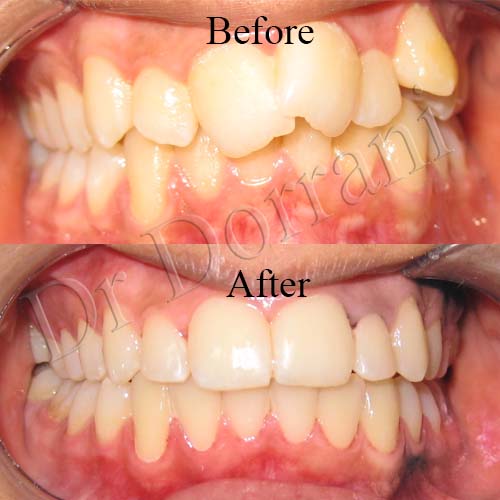
Orthodontic treatment along with an orthodontist is an important investment for your future. The orthodontist who arranges your teeth is looking for the best possible and acceptable result. While you are undergoing orthodontic treatment, it is essential to take care of your teeth and gums. This article explains why and how you can take care of your teeth and achieve good health.
More care is needed during orthodontic treatment
Looking at the mirror and seeing new brackets on your teeth, you will find that braces and wires have many angles that can cause nutrients and thus the accumulation of dental plaques. This means that the risk of tooth decay and gum problems during orthodontic treatment is increased.
You should take the day after every meal to clean your teeth. Otherwise, non-compliance with the health may cause serious damage to your tooth enamel.
Areas at the level of tooth enamel may experience loss of mineral material (the initial stage of wounding teeth) or the appearance of unpleasant white spots. You may also, by not adhering to the health, cause the accumulation of plaques in the mouth and, as a result, cause swelling and inflammation of the gums. You can eliminate gingivitis and early stages of dental caries with the care you take in respect to your cleanliness and health and diet. If you do not observe the health and clean your teeth, you will experience more problems that require treatment and stay in the long term with you.
Diet Proper Tooth
Dental professionals are heavily warned about acidic foods and drinks that are often consumed and can damage the enamel in the long run.
The following is how some foods and beverages are placed against each other
While many high-acid foods are beneficial for your body, low-acid foods are better for your teeth. Excessive acid can cover the tooth enamel and damage it. Remember, foods that contain low acidity during orthodontic treatment are best, and it is clear that foods high in acidity should be taken in a balanced manner.
High-acid fruits versus low-acid fruits
Apple – cherry – orange – peach – pear – plum – pineapple – banana raspberry – mango – melon
Tomatoes and Pickle Carrot – Cucumber – Lettuce – Beetroot
Soft Drinks (Normal and Diet) – Fruit Drinks Water – Milk
Energy drinks
Barbecue and Salsa sauces (tomato sauce sauce) – Meat sauce – Chicken – Seafood – Eggs –
With vinegar, olive oil and crackers – Soup – Macaroni
Most of us are well aware that sweets and sweets can lead to tooth decay. Starchy foods, like potato chips, can stick to teeth for a long time and cause tooth decay.
Lemonade is also harmful to the teeth because it contains, in addition to acidic essential oils, a large amount (10 to 12 teaspoons) of sugar, which increases the risk of tooth decay. Studies have shown that lemonade diets, like ordinary lemonade, weaken the tooth enamel.
Saliva is the natural defense of the body against dental caries. After eating and drinking foods containing oral salivary acid, it starts to clear teeth from the acid. A good law to win is to limit your daily eating to 3 meals and 2 meals a day. You can drink water as much as you like!
Note that mineral water in bottles may not contain fluoride.
Diet and Habits for Brackets
There are foods that can damage the brackets when you eat them … Loosen, break, or bend the wires and joints.
Avoid eating tasty foods such as nuts and stiff cookies. Fruits such as apples and carrots should be crushed to small pieces before eating, or cut into small nuts to bring the least pressure to the brackets.
Avoid eating sticky foods such as tofu, caramel, gaz, souhan.
Do not chew gum and ice!
Avoid all types of nail habits, chewing pencils, abnormal language pressure on brackets, nervous fingers to wire and brackets as they break brackets and delay the duration of orthodontic treatment. Be aware of these issues and try to stop them. Remember that damaged brackets means additional appointments, discomfort, and prolonged treatment. If you break the brackets, contact your orthodontic specialist immediately, because the broken brackets do not fix your teeth!
Home care
When washing your mouth you need to pay attention not only to the cleansing of your teeth and gums, but also to the health of the wire and brackets.
Below are 10 simple steps to keep your teeth, gums, and brackets clean:


Rate this article